
Climate obstruction in Finland
Climate change has become a key topic of public debate and politics in the 21st century. Extensive research now shows that climate change poses an existential threat to modern societies, yet global greenhouse gas emissions have not been successfully slashed. Meanwhile, both climate science and climate mitigation continue to be questioned. While the most vocal denialism has been silenced, more subtle ways of climate obstructionism have emerged.
In our project, Climate Obstruction in Finland (ILMEST), we refer the various forms of opposition to rapid climate mitigation as “climate obstruction”. It can manifest as direct climate change denial, as well as more subtle and nuanced forms of delaying climate action or downplaying the importance of climate policy. Furthermore, climate obstruction is linked to efforts to maintain social and cultural practices as well as modes of living based on high energy and natural resource consumption. Obstruction is intertwined with and influenced by social structures, power relations, interests and ideologies in complex ways.
The issue at stake is not one of minor indifference or harmless procrastination. If obstruction becomes mainstream in public discourse, politics, and culture, human values and practical decision-making, there is a risk that urgent climate action will be delegitimised, slowed down, or even halted. This will likely lead not only to increasingly expensive mitigation measures, but also to irreversible and dramatic social and environmental damage.
In the ILMEST project, we study climate obstruction in Finland from around 1990 to the present day. Our research focuses on various actor groups influencing climate politics, such as business and economic actors, political parties, the media, and climate experts in different sectors of society. We examine how climate political discourses and strategies are shaped in contexts such as the economy, politics and science, and the kinds of political coalitions formed around obstruction to influence not only the direction of climate politics, but also wider society. Our approach is interdisciplinary. We utilise a variety of research materials and methods, ranging from archival work to research interviews and machine learning.
The aim of the project is to help understand how discourses of climate obstruction are created and potentially mainstreamed, and how they prevent the implementation of meaningful climate action. In this way, we hope to contribute to advancing a just transition and creating a more equal and ecologically sustainable future.
The ILMEST project will run from 2025 to 2028 and is funded by the Kone Foundation. The project is coordinated by the BIOS Research Unit and involves the University of Helsinki and the Finnish Environment Institute (Syke).
Research group
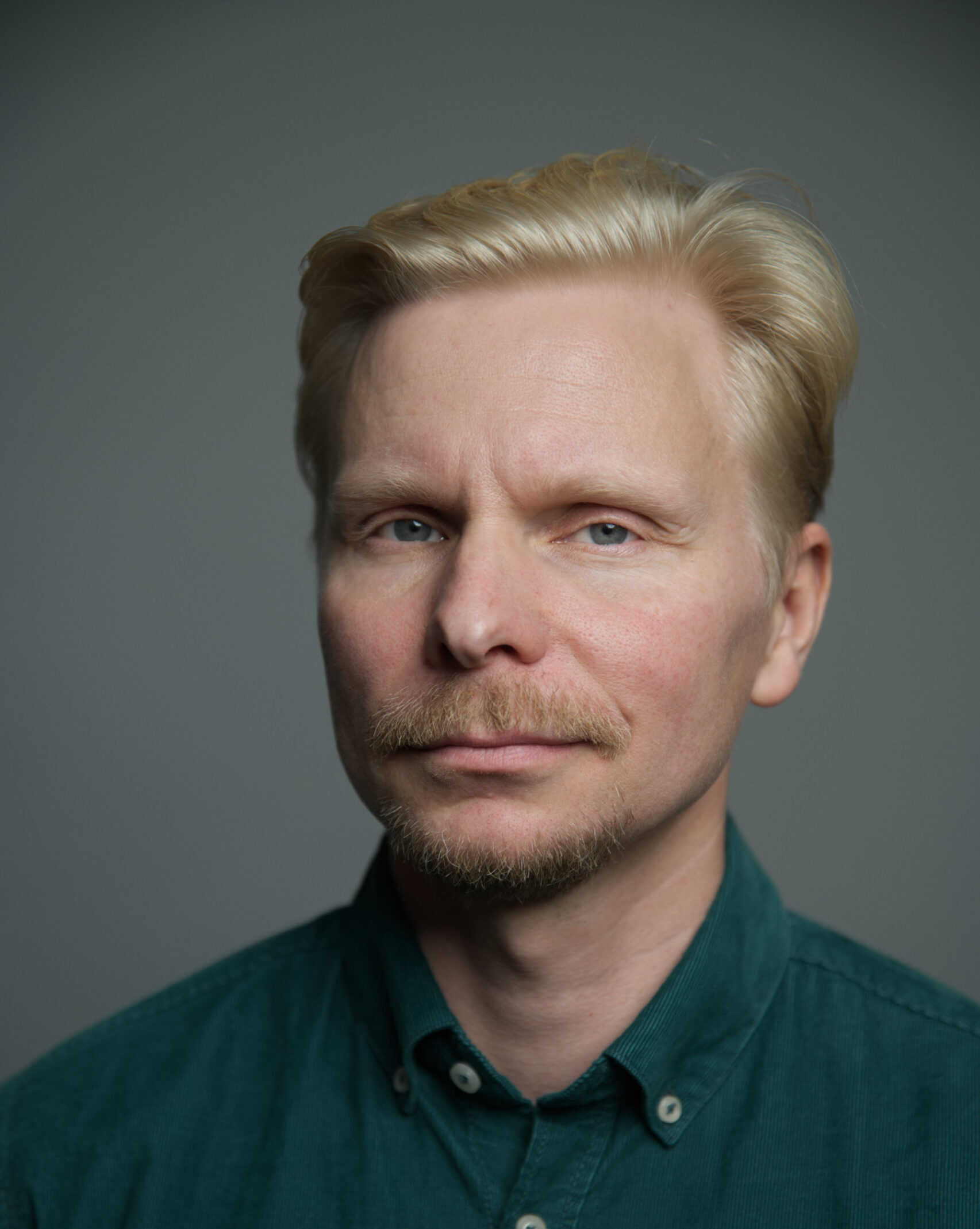
Tero Toivanen
Tero Toivanen is a senior researcher at the BIOS Research Unit and a visiting fellow in the Department of Economic and Social History at the University of Helsinki. His research has focused on the environmental and economic history of Finland, the political economy of sustainability transformations, the intersection of climate and economic policy, and environmental ideas and ideologies. Toivanen is the principal investigator of the ILMEST project and is responsible for researching the role of climate experts. tero.toivanen (at) bios.fi, +358 44 533 1750

Sonja Pietiläinen
Sonja Pietiläinen is a postdoctoral researcher in the Department of Geosciences and Geography at the University of Helsinki. Pietiläinen's doctoral dissertation (2025) examined the racialised geographies of far-right ecology and climate obstruction in the Finnish and Russian contexts. Pietiläinen is particularly interested in issues related to social and climate justice. Within ILMEST, Pietiläinen is responsible for analysing the processes surrounding the mainstreaming of climate obstruction in Finnish media and politics.

Risto-Matti Matero
Risto-Matti Matero is a postdoctoral researcher in the field of economic and social history at the University of Helsinki. Matero has studied the history of environmental ideas and concepts as well as the tensions between environmental and economic policy-making. His 2023 dissertation dealt with the history and conceptual changes of environmental ideas in German and Finnish Green Parties. Currently, Matero is writing a book on the subject, focusing on the marketisation of green language. Matero will join ILMEST in February 2026 and will be responsible for studying the history of climate and environmental political discourses among business interest groups. risto-matti.matero (at) helsinki.fi.

Jari Lyytimäki
Jari Lyytimäki works as a leading researcher in the Knowledge of Politics group at the Finnish Environment Institute (Syke). His 2012 doctoral dissertation examined long-term news coverage of climate change and water eutrophication. Over the past decade, he has researched topics including energy and climate debates, the utilization of environmental data in sustainability indicators, and environmental humor. In the ILMEST project, he focuses on the analysis of climate debate and the popularization of research findings.

Erkki Mervaala
Erkki Mervaala is a researcher in the Knowledge of Politics group at the Finnish Environment Institute (Syke). In his doctoral research he has analysed and examined representations of climate change and economic growth in Finnish media via natural language processing methods, and is currently pioneering approaches to utilising large language models for political speeches and news media.